
If you follow our straight-talking, no-nonsense marketing professor online, you may have noticed that Mark Ritson has been spouting his brand and marketing wisdom on The Drum and ADWEEK – his new editorial residencies.
We know that Mark putting the marketing world to rights makes for an entertaining, and usually very educational, read. But we also know that you’ve got fires to put out, customers to represent and marketing objectives to deliver against.
As Mark’s (favourite) first-born, we’re launching a new ‘Mini’ series that pulls the most poignant parts of Mark’s columns into a five-minute read for you busy marketing folk.
And if there’s something you want to know more about, we’ll point you in the right direction – whether that’s a specific MiniMBA module, or articles and resources we’ve created on the subject.
So, without further ado, our first Ritson round-up covers advertising effectiveness, brand codes and brand positioning. Plus, we welcome OpenAI to the word of traditional (yes, traditional) marketing.
ADWEEK: The Smartest Holiday Move Amazon Made Was Doing Nothing New

Read the full article on AdWeek
As marketers, we love to change things. We see our brand and creative day in, day out, and we get bored. In doing this, we forget the most important thing: the customer.
In Mark’s recent ADWEEK column, he praised Amazon for “doing nothing” as they revived their 2023 Christmas ad, Joy Ride, which is Amazon’s most effective ad of all time according to System1 data.
While some may see this move as lazy, or as Amazon running out of creative ideas, Mark had this to say:
“Marketers spend weeks or months creating a new ad. Once it hits the market, they are already sick of it and keen to make something new. But the data on effectiveness and longevity suggests many campaigns could and should run for years.
“Make fewer ads. Make better ads. Spend more on initial creative. And more on testing to get them right. Then run them for longer, ignoring the frenetic energy of those telling you to create more content all the time.”
While new campaigns get the most media coverage (this round-up being case in point), as Amazon knows, marketing communications is about much more than a shiny new TV ad.
In Module 9 of the MiniMBA in Marketing, you’ll learn how to drive advertising ROI – not just with new ads – but by applying the laws of ESOV, S Curves and multi-channel synergy. As well as why running the same ad for longer is often the smartest strategic move.
You can sign up for the next course here. Or for more about the data on advertising effectiveness and longevity, read: Mark Ritson: Data finally shows us the “three factors” of good creative
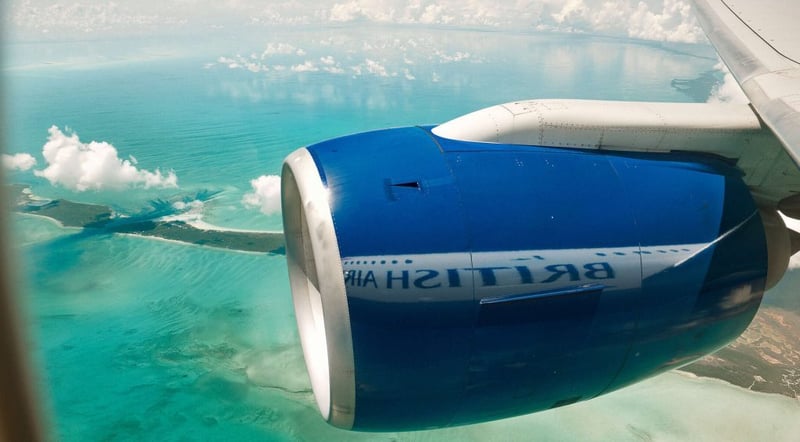
The Drum: British Airways’ ‘Reflections’ campaign flies too close to abstraction
Read the full article on The Drum
Sticking with the theme of impatient marketers, Mark looks to the skies (literally) to examine the British Airways ad campaign that’s been appearing on billboards across the UK.
Whilst Mark recognised the opinions in his column were just that, opinions. He went on to point out the lack of distinctive brand codes in the ad campaign.
As marketers should know – and as data now clearly tells us – brand codification is one of the key drivers of creative effectiveness.
For Mark, this oversight from a brand leader like BA is, frankly, baffling.
Predicting: “Reflections will test poorly for short-term effectiveness because its abstract, uncoded format will propel its branded recall scores to all-time lows.
“I’ll bet that the flat, emotionless landscapes on display ensure that these ads test very poorly for longer-term brand building.
“I’ll bet that last year’s Windows campaign tests way better than this year’s Reflections on current consumers. Compared side by side, there can be only one winner.
“And finally, I’ll bet that BA in 12 months’ time will wonder where all the momentum went. It’ll commission research, hold workshops, and brief a new campaign. And the cycle will continue.
“Unless, of course, someone remembers that the best advertising isn’t the cleverest or the newest – it’s the stuff that people recognise, feel something about, and remember long enough to buy a bloody ticket.”
In Module 6 of the MiniMBA in Brand Management, you’ll learn why you need to codify everything – and when you think you’ve codified enough, code some more. This is how brands achieve distinctiveness in their category.
You can sign up for the next course here. Or for a quick introduction into the world of brand codes, read: Brand Codes: “First, they must know it’s me”
The Drum: John Lewis at 100 proves there is a way back from slogan self-sabotage
Read the full article on The Drum
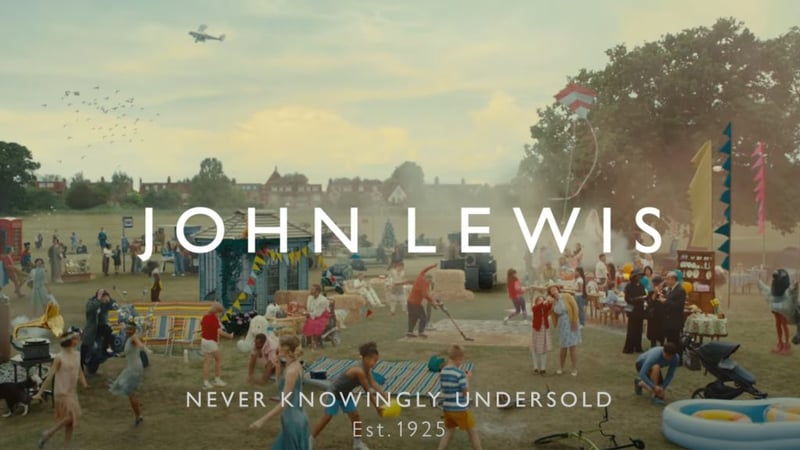
The recent ad by John Lewis, which celebrated the brand’s 100 years, provided an opportunity to reflect on the infamous slogan, and the many brands that have walked the same fateful road of slogan self-sabotage.
‘Never Knowingly Undersold’ was the John Lewis slogan for 97 years before it relaunched as ‘For all life’s moments’ in 2022. Why? We’re still not sure.
Mark Ritson, esteemed marketing professor and self-anointed ‘president of CRAPS (the Campaign for the Restoration of Authentic Past Slogans)’ had this to say about the original slogan:
“Because it came from the founder, it is auto-tuned to the brand’s positioning. And because it’s been around for a century, it is imprinted in every consumer’s memory from hundreds of touchpoints. This combination of heritage and longevity forges a priceless marketing asset.”
His plea to every marketer with a beloved, historic or distinctive slogan: “Don’t touch it. Don’t modernise it. Don’t ‘evolve’ the messaging.”
Not sure where to start with brand slogans, or considering the risky move of changing yours? Put the tools down, take a break and read how Brand Diagnosis may provide the answer you’re looking for.
The Drum: ChatGPT’s new ads show even AI can’t deny the brand-building power of TV
Read the full article on The Drum
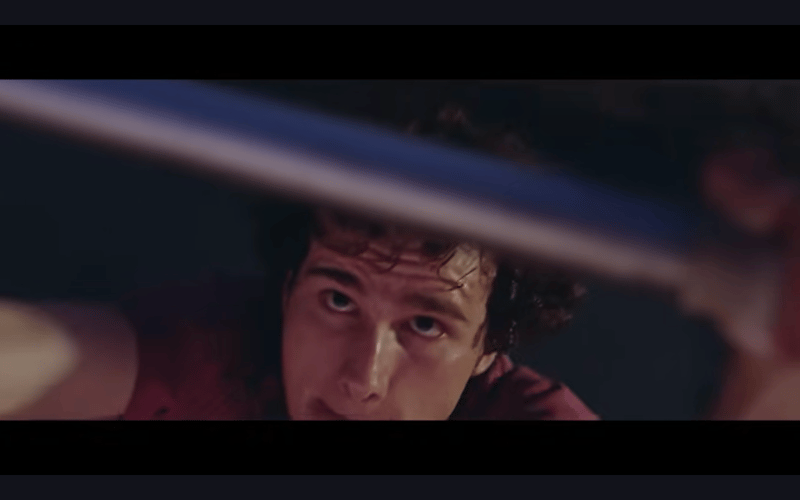
OpenAI, the company behind ChatGPT, has released their first global brand campaign.
As Mark gleefully notes, they’re using TV and out-of-home. That’s right. The traditional, mass-market, linear kind of mediums that AI acolytes would have you believe are dying a slow and uninteresting death.
“So much for AI-generated creative, too. OpenAI ignored its own PR playbook and hired human directors, real actors in actual settings. Then, it produced old-school 30-second ads.
“It is even shot on 35mm film because nothing says ‘trust in our digital future’ like the analogue cinematography they used for Gone with the Wind. It’s like watching a teenager finally admit their parents were right all along.”
Whilst the effectiveness of the ads is yet to be tested, this is a big switch for OpenAI who are seemingly trying to do something to stand out from the “total indistinctive non-differentiation” of their market.
We wonder what the other big players in the AI space will do next, Gemini radio jingles, perhaps?
Come and learn how to write a proper marketing plan, successfully manage your brand and increase the effectiveness of your advertising with MiniMBA. Our 12-week courses start in April and will make you immediately better at marketing.
See for yourself – check out some MiniMBA case studies from our global alumni community.