

Your bi-weekly round-up of the very best columns, features and excerpts from the marketing professor himself
As calendars reset and goals are finalised, now is usually the point where marketers promise they’ll finally “make time for their personal development this year”. Spoiler, it will drop to the bottom of your priority list… again. This time, we’re stepping in early.
This year we’ll be creating and sharing more Mark and MiniMBA content than you can shake a stick at, to give you genuinely helpful tools and knowledge to advance your skills and career.
Plus, the MiniMBA courses start in April. If you’ve been putting off training or have a personal development goal in 2026, come and learn with us. There are three courses to choose from (though we recommend Marketing or Brand for non-Alumni) and they have all been designed to make you a better, more confident marketer.
Here’s what Mark Ritson’s been saying so far this year…
ADWEEK: Christmas Is Over. So Is Effective Advertising.

Read the full article on ADWEEK
In Mark’s opening column of 2026, he shares his first (of many no doubt) marketing gripes of the year.
In mid-November through December, the advertising goal posts change. Budgets increase, creative improves and emotion actually matters for a brief, magical moment. From Apple and Amazon to Cadbury and Disney, everyone and their Nan understands the importance of Excess Share of Voice (ESOV), and they spend good money to achieve it.
“These brands understood what effectiveness Godfathers Les Binet and Peter Field have said for a decade: emotional advertising produces twice the profit of rational messaging. During Christmas, marketers believe.”
Then January rolls around and what happens? “We abandon effectiveness for the same reason we break promises about gym membership and fiber: it’s easy to go back to our old habits. Performance marketing feels productive. Micro-targeting seems sophisticated. Cutting brand budget appears financially prudent.”
This year, before you dive head-first into performance marketing and price promotions, remember that effective advertising is for life, not just for Christmas.
Maximise the effectiveness of your advertising, and therefore return on your budget, with these three factors of good creative.
The Drum: From questionable McRibs to Quaker fibs: the power of brand name bullshittery
Read the full article on The Drum
McDonalds recently appeared in federal court after being accused by Four Americans of deceiving customers with its McRib Sandwich.
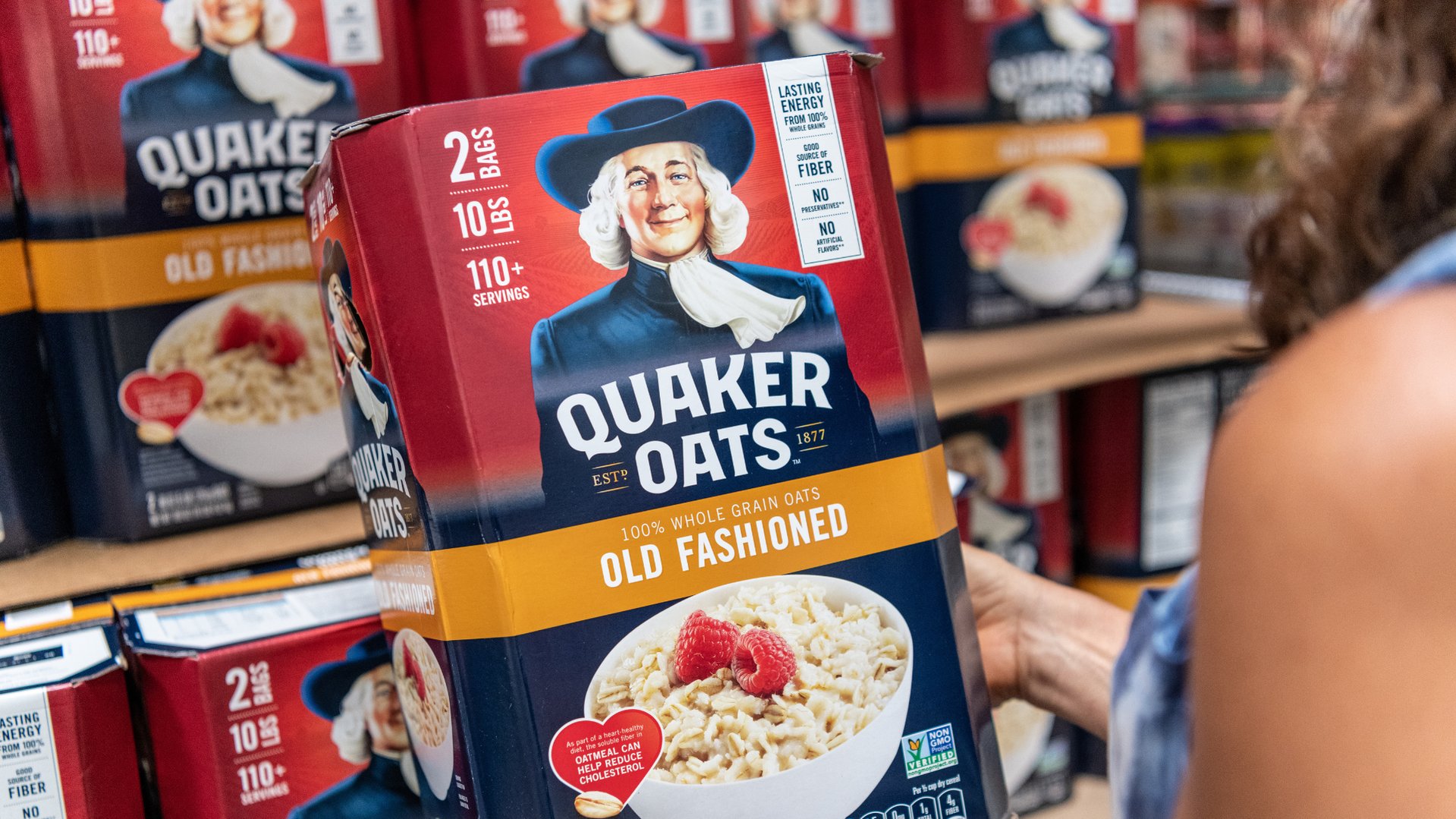
This is a classic case of ‘brand name bullshittery’, something our marketing ancestors have been getting away with for decades. “Not only is the McRib not made from pork ribs. Quaker Oats has never had any link to Quakers. Dr Pepper wasn’t invented by a doctor.”
The list continues. Subway’s footlongs are not always a foot long. Not everything in Poundland is a pound. KFC isn’t based in Kentucky. Most hilariously of them all, Häagen-Dazs is not in fact Danish and was in fact created in the Bronx as an up-market alternative in the US ice-cream market in 1959.
“And yet it worked so well that Häagen-Dazs continues not only to be commercially successful, but one of the great brands of modern marketing. Brilliant positioning. Fantastic execution. Buckets of brand equity. Premium pricing.”
“You can choose a more truthful, valid brand name: the Eleven-Incher, Less Than Five Pound Land, a McTripe sandwich. But where is the fun, or fame, or benefit in any of that?”
Mark’s advice? Lean into the ‘bullshittery’, if you can get away with it.
Learn more about how to name, position and manage your brand in the MiniMBA in Brand Management, a 12-week course designed to help you become a better, more confident Brand Manager.
ADWEEK: The $1,000 Gucci T-Shirt Problem
Read the full article on ADWEEK
Turning to the luxury goods market, where Mark spent most of his early career consulting for the likes of Veuve Clicquot, Dom Perignon and LVMH.
New data from Bain & Company confirms that luxury goods spending will decline this year, but why? And how will luxury brands react?
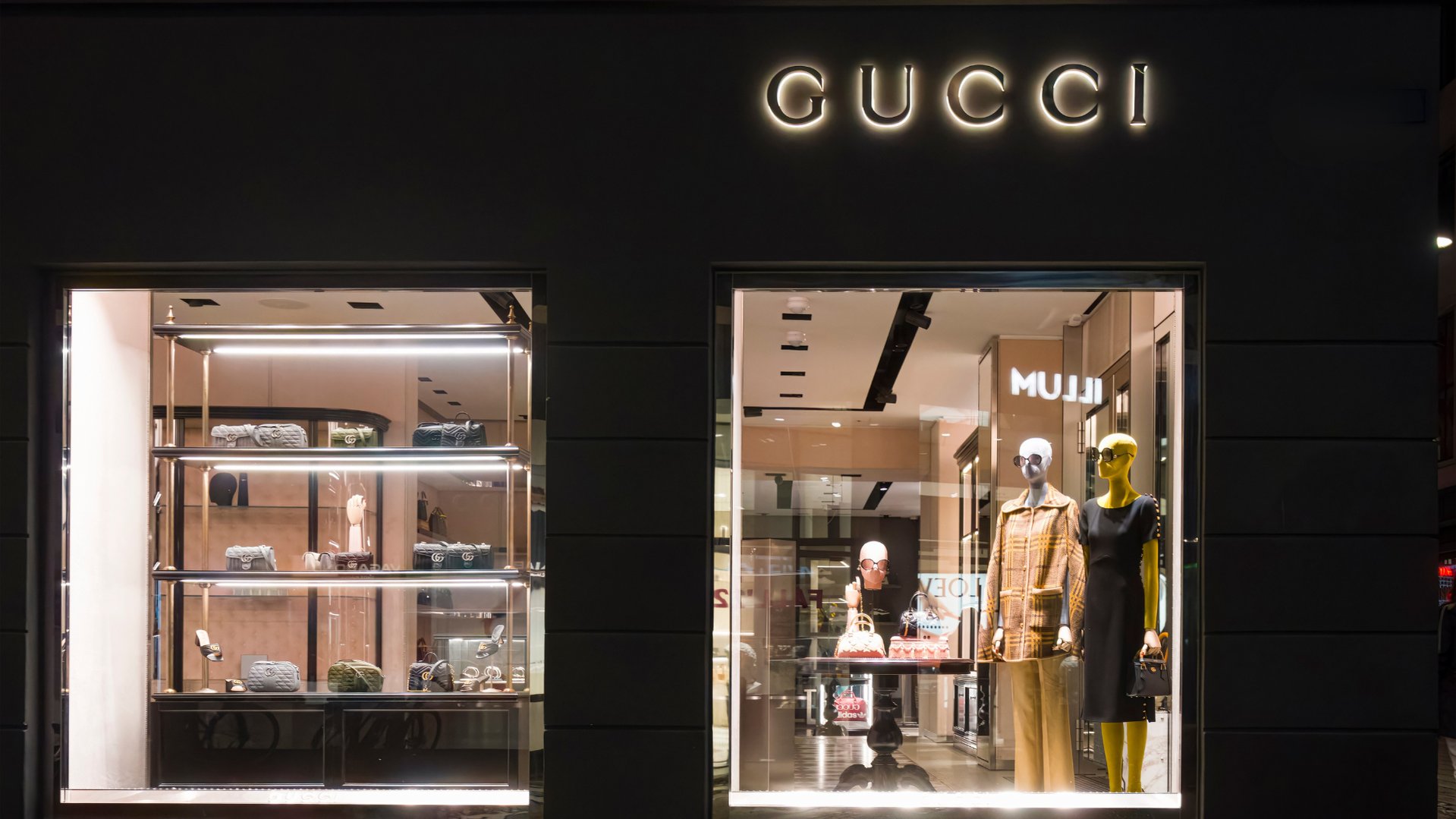
Changes in buying behaviour largely come down to price. “Post-pandemic price increases were too aggressive and often unjustified. Consumers began to question the value proposition of a cotton Gucci T-shirt priced north of $1,000.”
Luxury brands can, and should, react in one of two ways: go up or down.
Going down, like Coach have demonstrated, means “occupying the space between mass market and true luxury where consumers can trade up, or down, from their usual repertoire.”
Going up means leaning into the exclusivity of the brand. Make less and charge more, like Hermès.
Brands should avoid the ‘muddle in the middle’. “Charging Hermès prices without Hermès exclusivity, claiming craftsmanship while outsourcing production — is where the damage is being felt. Gucci and Burberry, caught in this no-man’s-land, are watching customers defect in both directions.”
The key lesson here is creating a strong position your brand can live up to. For the luxury market, exclusivity and desirability is its superpower. But when brands can’t deliver against that position, they will fail.
See how Dom Pérignon perfectly demonstrated the appeal of scarcity back in 2023.
The Drum: The junk food ad ban isn’t a problem, it’s a marketer’s gift

Read the full article on The Drum
The new year has brought new restrictions on advertising products classed as High in Fat, Salt and Sugar (HFSS). Paid online and daytime TV advertising is now off limits, a move designed to reduce childhood obesity. While many food and beverage marketers will be shaking in their cholesterol-filled boots, Mark sees an opportunity.
First, the ad ban applies to HFSS products, not brands, meaning marketers can no longer rely on product shots. Instead, they will need strong, clear distinctive brand assets to drive recognition and salience.
“You may not be able to show the final food destination, but you have unlimited licence to promote the semiotic signposts that send consumers in the desired direction. The golden arches. The Cadbury purple. The Kit Kat snap. The Colonel’s face.”
HFSS also unintentionally forces marketers to do more brand advertising. The work of Field and Binet, plus years of marketing effectiveness research, show that long-term brand building outperforms short-term product activation.
“Want to run digital advertising for your crisp brand? Better make it about brand associations, characters, and emotion. The result will be more emotionally resonant creative that builds mental availability over time.”
Beyond advertising, HFSS bans multibuy promotions, quietly relieving manufacturers of margin-destroying trade deals.
“Terribly sorry, Tesco, but the government won’t let us run that three-for-two any more. Awful, isn’t it?” Behind closed doors, brand managers across the food industry are doing quiet cartwheels.”
The regulations also force marketers to diversify their channel mix. Paid online and TV advertising have restrictions, but everything else is up for grabs. “We’ve known for a decade that diversity in media choices delivers more bang for buck. Now brands will be forced to find that out first-hand.”
It’s not all sunshine and rainbows. These changes will disproportionately benefit bigger brands with deeper budgets and established distinctive brand assets, while making it harder for challengers.
Achieving distinctiveness in your category isn’t easy. Learn how to identify and establish your Distinctive Brand Assets. We also cover this in great detail in Module 6: Brand Codes, of the MiniMBA in Brand Management.